How to Spot a Cloned Phone in Nigeria
Learn how to identify cloned phones in Nigeria before buying. Avoid scams, verify devices, and shop safely with 360GadgetsAfrica.

olamide a
You walk into Computer Village in Ikeja, eyes set on a clean-looking iPhone 13. The seller says it is "UK-used, grade A." The price is tempting. But something at the back of your mind keeps asking: is this phone actually what they say it is? Will it last six months? Did someone dunk this thing in water before I got here?
This is the quiet anxiety that follows almost every refurbished phone purchase in Nigeria. And honestly, it is a fair concern. The refurbished market is full of value, but it is also full of noise. Knowing what separates a smart buy from a regrettable one is the difference between getting a flagship experience at half the price or spending ₦180,000 on a device that starts misbehaving in two months.
Let us walk through the whole thing properly.
What "Refurbished" Actually Means
A lot of Nigerians use "refurbished," "fairly used," and "UK-used" interchangeably. They are not the same thing.
A fairly used phone is simply a device someone owned and resold. It may or may not have been inspected. Condition varies wildly. What you see is largely what you get, and what you get depends on how careful the previous owner was.
A certified refurbished phone is different. It has gone through a structured process: the device is tested, faulty components are replaced, it is cleaned up, and it is graded based on condition. Reputable platforms assign grades like A, A+, or B to communicate exactly what you are getting.
When you buy from a platform like 360GadgetsAfrica, the refurbishment process is documented. That matters because it removes the guesswork that kills confidence in the secondary market.
The Grading System You Need to Understand
Most certified sellers use a letter-based grading system. Here is roughly how it works:
Grade A+ / Like New: Virtually no visible wear. Screen is pristine, body is clean, battery health is typically 85% or above. These often come in plain packaging without original accessories.
Grade A: Minor cosmetic marks that are hard to spot unless you are looking. Fully functional. Battery health is usually between 80% and 90%.
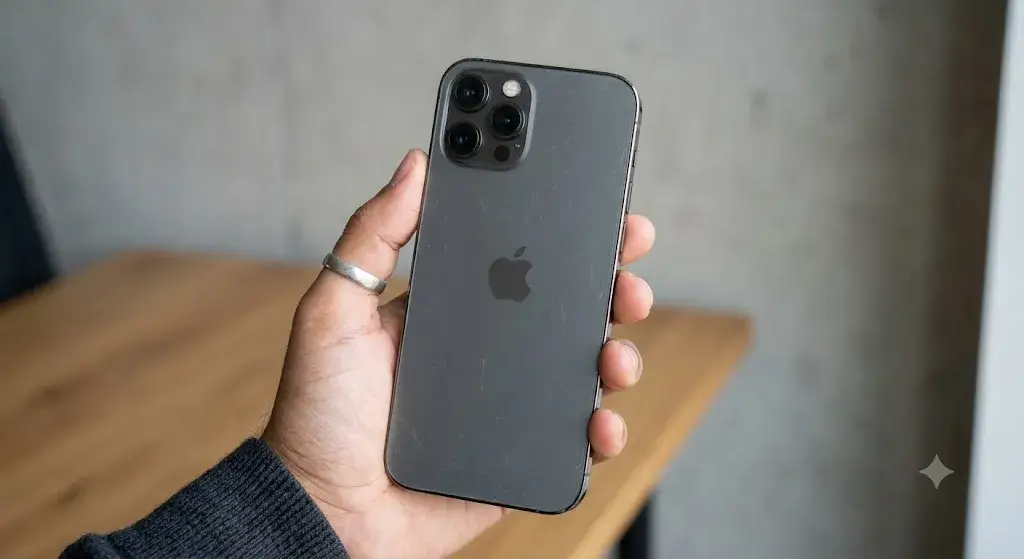
Grade B: Visible scratches or small scuffs. Everything works, but the phone shows its age cosmetically. Battery health may be slightly lower.
Grade C: Noticeable wear. Usually sold for parts or for buyers who prioritise function over form entirely.
When someone at a market stall says "grade A" without showing you any documentation, take that with some scepticism. Grading means something specific when a platform backs it. It means less when it is just a verbal claim.
7 Things to Check Before You Buy
Whether you are buying online or in person, these are non-negotiable.
Screen Condition
Turn the brightness all the way up and look for dead pixels, burn-in, or discolouration, especially on OLED screens. On iPhones, look out for a slightly green tint which sometimes indicates a screen replacement was done with a non-OEM part. Swipe through the screen edges carefully for any unresponsive zones.
Battery Health
On an iPhone, go to Settings, then Battery, then Battery Health. Anything below 80% means you will need a battery replacement sooner than later, and that adds to your total cost. On Android phones, apps like AIDA64 or AccuBattery can pull battery cycle count data. A device advertised as "grade A" but showing 71% battery health is misrepresented.
IMEI Verification
Every legitimate phone has an IMEI number. Dial *#06# to pull it up. Cross-check it on the IMEI checking sites. This tells you if the device is blacklisted, stolen, or carrier-locked. A blacklisted phone may work perfectly in Nigeria right now but could develop network issues or get blocked later depending on your service provider.
Face ID, Touch ID, or Fingerprint Sensor
These components are sometimes disabled or non-functional after third-party repairs. Test biometric features while you still have the option to walk away.
Water Damage Indicators
Most phones have internal liquid contact indicators (LCIs). On iPhones, they are in the SIM card slot. Use a torch and look for a red or pink colour. White or silver means no water damage. If the seller will not let you check or the tray is suspiciously absent, that is a red flag.
Camera and Microphone
Take a photo in both front and rear cameras. Record a short video and play it back. Check both microphones by testing voice notes. These are among the most expensive components to fix later.
Charging Port and Buttons
Plug in a cable and confirm it charges properly. Test volume buttons, the silent switch on iPhones, and the power button. A loose or intermittent power button is a small thing that becomes a big annoyance fast.
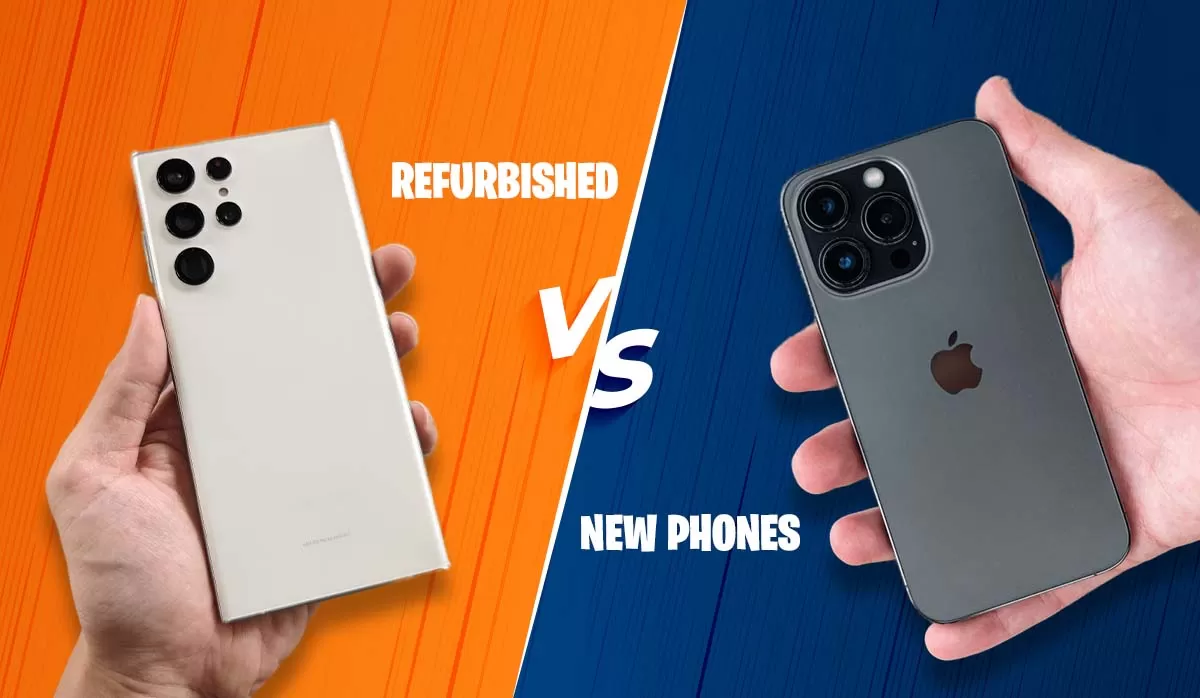
Refurbished vs New: What the Numbers Actually Say
Here is where the value argument gets interesting.
A brand new iPhone 13 in Nigeria currently retails for around ₦750,000 to ₦850,000 depending on storage. A certified Grade A refurbished iPhone 13 128GB from a reputable seller goes for roughly ₦430,000 to ₦500,000. That is a gap of ₦300,000 or more for a device that, in Grade A condition, functions identically to a new unit.
For Android flagships, the numbers are similar. A new Samsung Galaxy S22 sits around ₦650,000 to ₦720,000. A certified refurbished unit in good condition is closer to ₦370,000 to ₦420,000.
That price gap is meaningful. In Lagos where cost of living is what it is, ₦300,000 is rent, a generator repair, school fees, or the start of another investment. Getting flagship performance without paying flagship price is a real, practical advantage.
The one honest caveat is warranty. New devices typically come with a one-year manufacturer warranty. Refurbished devices from credible platforms carry their own limited warranties, but you need to confirm the terms before you buy. At 360GadgetsAfrica, warranty coverage is included on certified refurbished devices, which is part of what separates a structured platform from a random market purchase.
Where to Buy Safely in Nigeria
The answer depends on how much risk you are comfortable absorbing.
Computer Village in Ikeja is the most famous electronics market in West Africa. The variety is unmatched and prices are negotiable. But the verification burden falls on you. You need to know what to check, have the time to check it, and be comfortable enough to walk away if something feels off. It is not a bad place to buy, but it rewards people who already know what they are doing.
Online marketplaces like Jiji can surface good deals, but buyer protection is limited. Social media sellers exist on a wide spectrum of trustworthiness.
The safer route, especially if you are not deeply familiar with phone inspection, is a certified platform. 360GadgetsAfrica grades devices, offers certified repairs, and provides warranty coverage so you are not on your own if something goes wrong. For buyers in Abuja or Port Harcourt who do not have easy access to a major electronics market, a delivery-backed platform is often the only practical option.
The Real Cost of a "Cheap" Phone
One thing people consistently underestimate is the total cost of a cheap, unverified purchase.
Say you buy a ₦150,000 "UK-used" Android in Lagos. Battery goes in three months, that is ₦15,000 to ₦25,000. Screen develops a fault, another ₦30,000 to ₦50,000. Charging port gets spotty, ₦5,000 to ₦8,000. You have now spent ₦200,000 on a phone that still does not feel right.
Versus a ₦200,000 certified Grade B Android from a platform that inspected it properly, replaced the battery, and gave you a 90-day warranty. The second option is not more expensive. It is actually cheaper when you account for the repairs you are not paying for.
This is the core logic of certified refurbishment. You are not just paying for the device. You are paying for the inspection work that means fewer surprises.
FAQ
Q: Is it safe to buy refurbished phones in Nigeria?
A: Yes, if you buy from a certified seller that grades and tests devices before sale. The risk comes from unverified sources where you have no way to confirm the phone's condition or history. Always buy from platforms that document their refurbishment process and offer a warranty.
Q: What is the difference between UK-used and certified refurbished?
A: UK-used simply means the phone was previously used in the UK before being imported. It has not necessarily been inspected or repaired. Certified refurbished means the device has been tested, cleaned, repaired where necessary, and graded by a professional before resale.
Q: How do I check if a refurbished iPhone has a replaced screen?
A: On iPhone 11 and later, go to Settings, then General, then About. If Apple detects a non-genuine display, it will show a message saying "Unable to verify this iPhone has a genuine Apple display." A clean screen will show no such message.
Q: What battery health is acceptable on a refurbished phone?
A: Aim for 85% or above for iPhones, as anything below 80% will likely need a replacement soon. For Android phones, check cycle count where possible. A certified seller should be transparent about battery health before you commit.
Q: Can I finance a refurbished phone in Nigeria?
A: Yes, some platforms offer installment options for refurbished devices. 360GadgetsAfrica provides financing plans that let you spread the cost over time, making it easier to access quality devices without paying the full amount upfront.
Summary
Ready to get a certified refurbished phone you can actually trust? Head over to 360GadgetsAfrica to browse inspected, graded devices across all budgets, with warranty coverage and financing options included. If you already have a phone that needs attention, you can also book a certified repair right on the platform.